
Wildlife monitor and research assistant jobs in South Africa
Monitors track collared wild dog, cheetah, rhino and vultures on short contracts, and SANParks pays its environmental monitors R208 a day.
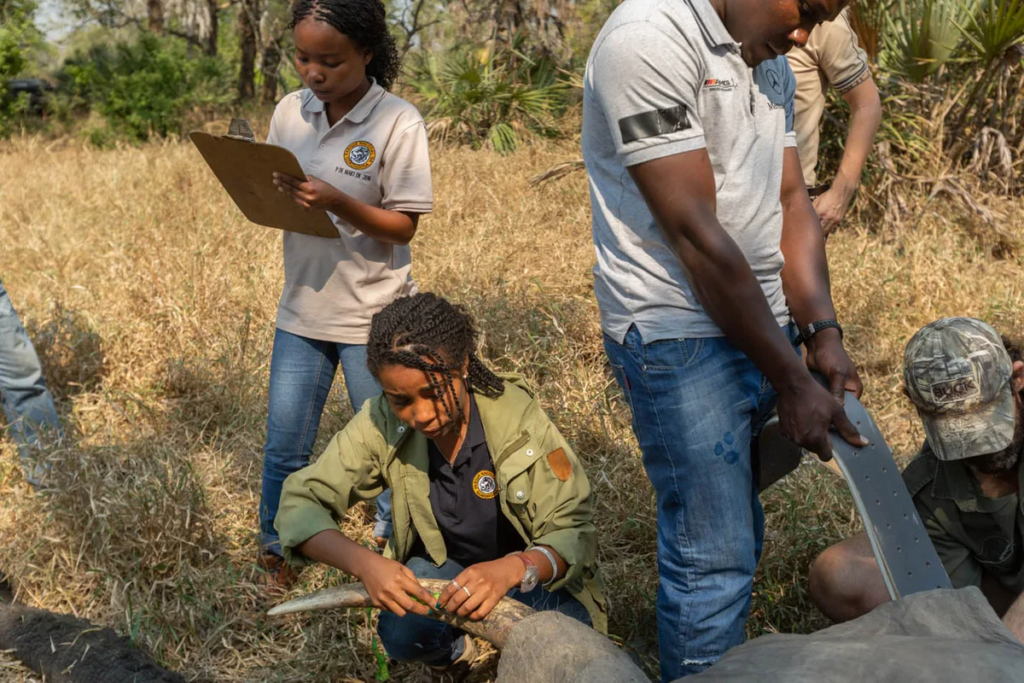
A wildlife monitor finds and records the animals a reserve most needs to keep track of, usually collared wild dog, cheetah, black rhino and vultures, using radio telemetry, tracking, camera traps and a lot of data entry. In South Africa the work comes from Wildlife ACT, SANParks’ Expanded Public Works Programme (EPWP) monitor posts, SANBI and university research projects, with WCS and African Parks hiring national staff for similar work elsewhere in Africa. Contracts are short. Where pay is published it is low: SANParks pays its semi-skilled environmental monitors R208 a day.
We read current monitor, field assistant and research assistant ads from 2024 to 2026, and Wildlife ACT’s own description of how its monitoring works.
Telemetry before breakfast
Wildlife ACT describes the job most clearly. Its monitors actively follow African wild dog, cheetah, black rhino and vultures, with elephant, lion, leopard, hyena, buffalo and white rhino recorded as they turn up. Sessions run in the early morning and late afternoon from a 4×4, with a midday break. Monitors find collared animals by radio telemetry or, without a signal, by tracks. At each sighting they log the GPS position, group make-up, which animals are together and what they are doing, and photograph them for the identity kits used to tell individuals apart. Some reserves add camera traps.
The data has a purpose. Wildlife ACT says it tracks movement, habitat use, population numbers and snaring incidents, and feeds decisions on which animals to bring in or move out. Its monitors also train the conservation volunteers who join them.
Research posts are narrower. The FitzPatrick Institute’s ground-hornbill project in the Greater Kruger wanted a field assistant for nest monitoring, measuring chicks, behavioural observation, camera trap data and data entry, working at height on a 6 m ladder. The Kalahari Meerkat Project trains its field assistants in radio-tracking, handling and databases while they record the behaviour of habituated meerkats.
Who hires, and on what terms
| Post | What the ad asked | Terms |
|---|---|---|
| Wildlife ACT, Priority Species Monitor, northern KwaZulu-Natal (2026) | South African citizen; Diploma in Nature Conservation, BSc or similar; driver’s licence and PrDP; First Aid Level 1; Big Five reserve experience | Single quarters only; pay not stated |
| SANParks, Semi-Skilled Environmental Monitors, Agulhas (4 posts) and Bontebok (1), closing Oct 2026 | Matric; English and a local language; basic Word and Excel; medical fitness; Bontebok post for ages 18 to 35 | R208 a day at EPWP rates; fixed term to 31 March 2027 |
| SANBI research assistants database, April 2026 to March 2027 | Under 35, unemployed students and new graduates; formal qualification; some field experience | R45 to R110 an hour by qualification, up to 8 hours a day, when needed |
| FitzPatrick Institute, APNR Ground-Hornbill Project field assistant (2024 to 2025 season) | BSc in biology or related; driver’s licence with 4×4 experience; Excel and Access | Minimum 3 months; pay “based on experience” |
| GVI, Field Assistant, Hoedspruit (2026) | Field guide NQF 2; driver’s licence and PrDP; first aid; right to work in South Africa | 3 to 6 months; communal camp, meals provided |
| Kalahari Meerkat Project, volunteer field assistant (2025 starts) | Usually a biology degree; fitness for long field days | One year; food and housing, small travel payment, no stated stipend |
The SANParks monitor posts are more varied than the title suggests. The 2026 ads list field data collection, mapping, species identification and density estimates, but also supervising EPWP clearing teams, timesheets, foot and vehicle patrols, fire work and environmental education. They give preference to women, people with disabilities, the unemployed and people living within 40 km of the park.
In October 2026 the Endangered Wildlife Trust’s careers page listed a Field Officer for its Wildlife and Infrastructure and Birds of Prey units, covering field investigations, raptor conflict call-outs and work with farmers and landowners.
Outside South Africa
Both ads we read outside South Africa were written for local hires. WCS’s Biomonitoring Officer post at Yankari in Nigeria, opened in August 2026, asked for a degree in ecology or wildlife management, 2 to 3 years of fieldwork, and experience with transects, camera traps, GPS and the SMART patrol data system, on a 13-month contract open to Nigerians only. African Parks’ Monitoring and Evaluation Officer post at Gambella in Ethiopia, in September 2026, wanted 4 years of data work experience with EarthRanger and Survey123, and the national language as well as English. WCS and African Parks posts appear on our WCS jobs and African Parks jobs pages.
Single quarters, short contracts
The living terms decide who can take these jobs. Wildlife ACT offers single quarters only and says its monitor post is not suitable for couples or anyone with dependants, pets included. The Kalahari project has about 30 or more people living communally at its station. Most posts we read ran from 3 months to just over a year, and the SANParks posts end on 31 March 2027. Unpaid posts like the meerkat project belong under volunteering, not employment, even when the work is the same.
From monitor to ecologist
The ads show where monitoring can lead. The FitzPatrick ad said a strong field assistant could move on to an MSc or PhD with the project, or a more permanent role. Higher up, Ezemvelo KZN Wildlife’s 2025 Park Ecologist post at Hluhluwe-iMfolozi needed at least an MSc, preferably a PhD, SACNASP registration and 5 years of experience, and paid R976,029 a year as a total package. WCS’s Yankari post asked for 2 to 3 years of fieldwork even at officer level.
Some monitors add other skills: the wildlife monitor at Dinokeng Game Reserve also flies the reserve’s aircraft, a route our conservation pilot jobs guide covers. Live monitoring and research posts are on our conservation jobs page.
This article sums up job ads and employer pages as they stood in October 2026. Contracts, stipends and EPWP rates change each year, so check the sources below or ask the employer before you apply.
Sources
- Wildlife ACT, wildlife tracking and monitoring: wildlifeact.com
- Wildlife ACT, Priority Species Monitor vacancy (2026): wildlifeact.com
- Wildlife ACT, work for Wildlife ACT: wildlifeact.com
- SANParks, Semi-Skilled Environmental Monitors, Agulhas (2026): sanparks.org
- SANParks, Semi-Skilled Environmental Monitor, Bontebok (2026): sanparks.org
- SANBI, research assistants database 2026 to 2027: sanbi.org
- UCT FitzPatrick Institute, APNR Ground-Hornbill Project field assistant (2024): uct.ac.za
- GVI, Field Assistant, Limpopo (2026): terra.do
- Kalahari Meerkat Project, volunteer field assistants (2025): csee-scee.ca
- Endangered Wildlife Trust, careers (Oct 2026): ewt.org
- WCS Nigeria, Biomonitoring Officer, Yankari (2026): nigeria.wcs.org
- African Parks, Monitoring and Evaluation Officer, Gambella (2026): etcareers.com
- Ezemvelo KZN Wildlife, Park Ecologist (2025): kznwildlife.com
- Dinokeng Game Reserve, aviation in conservation (2024): dinokengreserve.co.za