
What a reserve wildlife manager does: counts, culls and permits
Game counts, culling quotas, fire, fences and permits, plus the qualifications employers ask for and the pay provincial agencies publish.
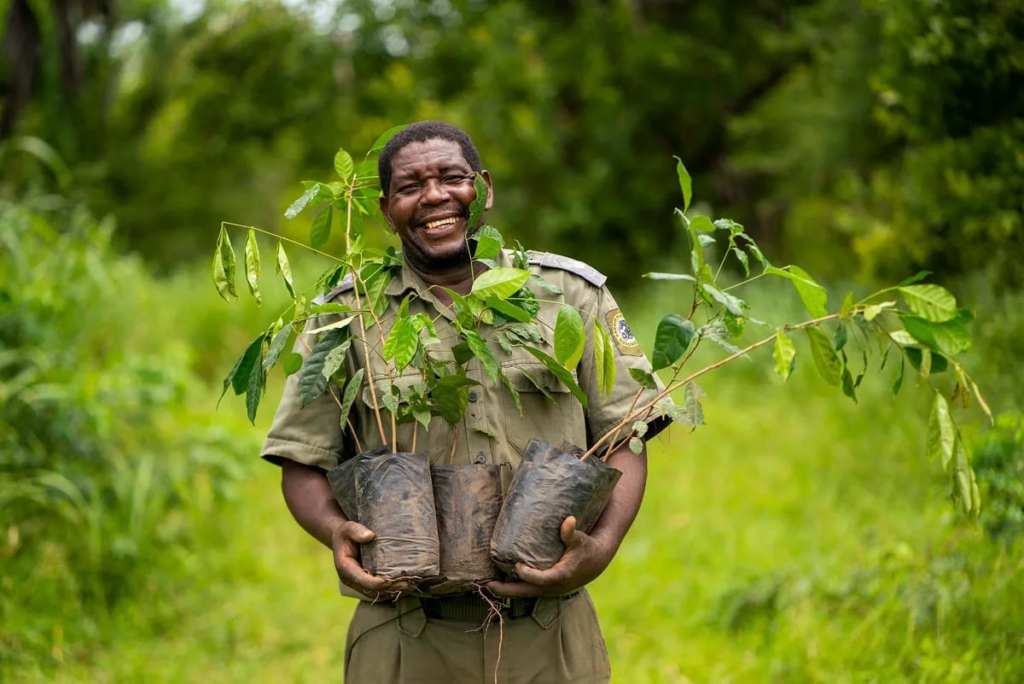
A wildlife manager keeps a game reserve’s animals and land in balance. That means counting the animals, recommending how many are hunted, culled or sold, and looking after the water, fire breaks, fences, invasive plants and disease controls that let the reserve carry them. It also means a lot of permits and reports. It is mostly not a guest-facing job: the guides take the guests out, and the wildlife manager works on what they drive through. The title changes from reserve to reserve, and so does the work, so read the ad closely.
We built this from current job ads and the rules a reserve has to follow, with Timbavati Private Nature Reserve in the Greater Kruger as the worked example, because its warden has spoken publicly about how its numbers are set.
The numbers come first
Almost every decision on a reserve starts with a count. In Kruger, SANParks counts plains game such as impala, kudu, zebra and wildebeest from a fixed-wing aircraft flying set lines, and flies a helicopter for elephant, buffalo, rhino, sable and roan, with separate river counts for hippo and crocodile. The private reserves along Kruger’s western boundary (Timbavati, Klaserie, Umbabat and Balule) fly a shared helicopter census in early September, with each reserve’s warden or manager on board for their own leg.
On smaller private reserves the job is more hands-on: road counts, camera traps, veld condition checks, breeding camp records and the rest of the monitoring are often the wildlife manager’s own work.
Quotas, culls and the meat rules
The census tells a reserve how many animals it can carry, and the gap becomes an offtake: animals hunted, culled or sold live. Timbavati shows how that works in practice. The reserve recommends its offtake from the aerial census and its own surveys, and the provincial authority approves the quota. For 2023/24, 87 animals were approved for hunting and 60 were taken. The impala cull removed 1,248 of 1,700 allocated, 822 of them by the management team, and the target had already been cut from 2,000 because more wild dog packs were taking impala.
Culled game is food, so the work runs to a clock. The national game meat inspection manual sets the limits. Game must be bled within 10 minutes of the shot, taken to a depot and gutted within 2 hours of bleeding, and chilled within 12 hours of being killed, or within 4 hours if it is warmer than 15°C. A game meat examiner has to check the shooting, bleeding times and hygiene. If you are applying to a reserve that culls, expect to be part of that operation: the shooting, the vehicles, the depot and the paperwork.
Fire, water, fences and weeds
The land work takes as much time as the animals. Under the National Veld and Forest Fire Act, a landowner where veldfire can start or spread must make and maintain firebreaks on their side of the boundary and give neighbours notice before burning them. Timbavati burns in a patch mosaic, meant to copy the pattern lightning fires would leave. Invasive plants are a legal duty as well: under the national alien species rules, Category 1a plants must be wiped out at once and Category 1b plants kept under control. Timbavati employs local people to clear them.
The ads add the rest: boreholes and water points, erosion control, roads, fences, radios and the vehicle fleet. On many reserves the wildlife manager also runs the staff who do this work, and the budget that pays for it.
The permit file
A good part of the week goes on permits and compliance. Since April 2023, permits for threatened and protected species have gone through an online national system, and every reserve with elephants needs an elephant management plan, now valid for 10 years. Moving live buffalo between properties needs a State Vet permit, and in disease control zones it can need more. Reserve managers working for Ezemvelo KZN Wildlife are expected to know its own permit system, and Samara’s recent ad asked for working knowledge of the biodiversity and protected areas acts.
Which title is which
The same work turns up under different titles. This is how the ads we read used them.
| Title | Usually means | Where you see it |
|---|---|---|
| Wildlife manager | Hands-on animal work: counts, breeding camps, live sales, vet call-outs, fences and water | Private game reserves and game farms, often in Limpopo |
| Reserve manager | Runs the whole reserve: ecology, security, roads, staff, budget, landowners and government | Private and provincial reserves |
| Warden | Head of reserve management | Greater Kruger private reserves such as Timbavati and Umbabat |
| Ecologist | Science and monitoring advice to managers, usually an MSc and SACNASP registration | Provincial parks, larger reserves |
| Conservation manager | Line manager over reserves and conservation officers | Provincial agencies such as CapeNature and Ezemvelo |
| Environmental and conservation manager | Biodiversity monitoring, research and compliance on a concession | Lodge groups, for example Wilderness in Namibia |
A diploma, a firearm licence and years in the bush
The usual starting point in South Africa is a three-year Diploma in Nature Conservation (NQF 6), offered by TUT, Nelson Mandela University in George, CPUT and UNISA. At Nelson Mandela University the third year is a work placement. An Advanced Diploma or honours comes next for management roles. The University of Pretoria runs a one-year BScHons in Wildlife Management, and the Southern African Wildlife College in the Greater Kruger offers its own diploma and a transfrontier conservation certificate.
The ads then add practical tickets: firearm competency, a Code EB driving licence and 4×4 experience, sometimes FGASA Level 1, and for provincial reserve managers, Environmental Management Inspector status. Experience counts more than anything. An assistant wildlife manager ad asked for 2 to 5 years, wildlife manager ads for 5 or more, a Sabi Sand reserve manager post for 5 to 10 years in a Big Five area, and Samara for 10 years in senior protected area management.
If you are still choosing between guiding and conservation, FGASA levels explained covers the guiding side.
Pay: provincial posts publish it, private reserves don’t
Every private reserve ad we found said “market related”. The provincial agencies publish their pay, which gives a sense of the scale.
| Post | Employer | Published pay |
|---|---|---|
| Conservation Officer on Reserve (Level 8) | CapeNature, 2026 | R42,542 to R49,132 a month |
| Park Ecologist, Hluhluwe-iMfolozi | Ezemvelo KZN Wildlife, 2025 | R976,029 a year, total package |
| Regional Conservation Manager | Ezemvelo KZN Wildlife, 2025 | R1,178,215 a year, total package |
Housing changes the sums: Ezemvelo offers its ecologists housing at a nominal rent, and one private assistant manager ad we read included a house for a single person. Ask for the full package in writing before you accept. For guiding pay, see our field guide and game ranger salary article.
Census weeks, capture work and the people you meet
Management posts go to people with years of field work behind them, so build that record early. Keep in touch with the wardens, vets and ecologists you meet, take the census and capture work when it comes up, and keep your firearm and driving licences current. Live reserve and park posts are on our conservation jobs page, and if you are open to work, post a free profile so reserves can find you.
This article sums up job ads and the rules as they stood in October 2026. It is not legal advice. Quotas, permit systems and pay change, so check the official sources below or ask the employer.
Sources
- SANParks, how Kruger counts its animals (Mar 2025): sanparks.org
- Ingwelala, APNR aerial census (2019): ingwelala.co.za
- Africa Geographic, offtake and culling in Timbavati, quoting the warden (Apr 2025): africageographic.com
- Timbavati Private Nature Reserve, conservation: timbavati.co.za/conservation
- Timbavati Private Nature Reserve, history and management: timbavati.co.za/history
- Department of Agriculture, Meat Inspectors Manual: Game (2007): dalrrd.gov.za
- Meat Safety Act, Meat Inspection Scheme s16.4, game meat (2017): acts.co.za
- National Veld and Forest Fire Act, s12 firebreaks: acts.co.za
- Alien and Invasive Species Regulations, landowner duties: agriorbit.com
- SAnews, revised elephant norms and TOPS regulations (Feb 2023): sanews.gov.za
- Animal Diseases Regulations, reg 20, buffalo movement: acts.co.za
- Samara Karoo Reserve, Head of Reserve and Biodiversity Conservation ad (2026): samara.co.za
- Wildlife Manager, private reserve, Limpopo (2025): careers24.com
- Assistant Wildlife/Reserve Manager, Eastern Cape (2026): careers24.com
- Reserve Manager, Sabi Sand: careers24.com
- ECPTA, Senior Reserve Manager, Mkhambathi (2026): visiteasterncape.co.za
- Wilderness, Environmental and Conservation Manager, Namibia (2026): careers24.com
- CapeNature, Conservation Officer on Reserve, Level 8 (2026): careers24.com
- Ezemvelo KZN Wildlife, Park Ecologist (2025): kznwildlife.com
- Ezemvelo KZN Wildlife, Regional Conservation Manager (2025): kznwildlife.com
- SAQA, TUT Diploma in Nature Conservation: saqa.org.za
- Nelson Mandela University, conservation qualifications: mandela.ac.za
- CPUT, conservation qualifications: cput.ac.za
- UNISA, Diploma in Nature Conservation: unisa.ac.za
- University of Pretoria, BScHons Wildlife Management (2026): up.ac.za
- Southern African Wildlife College, programmes: wildlifecollege.org.za