
Can volunteering lead to a safari job in South Africa?
Two weeks of Wildlife ACT monitoring costs R33,440 and teaches telemetry, but lodges still hire on FGASA, PrDP and first aid.
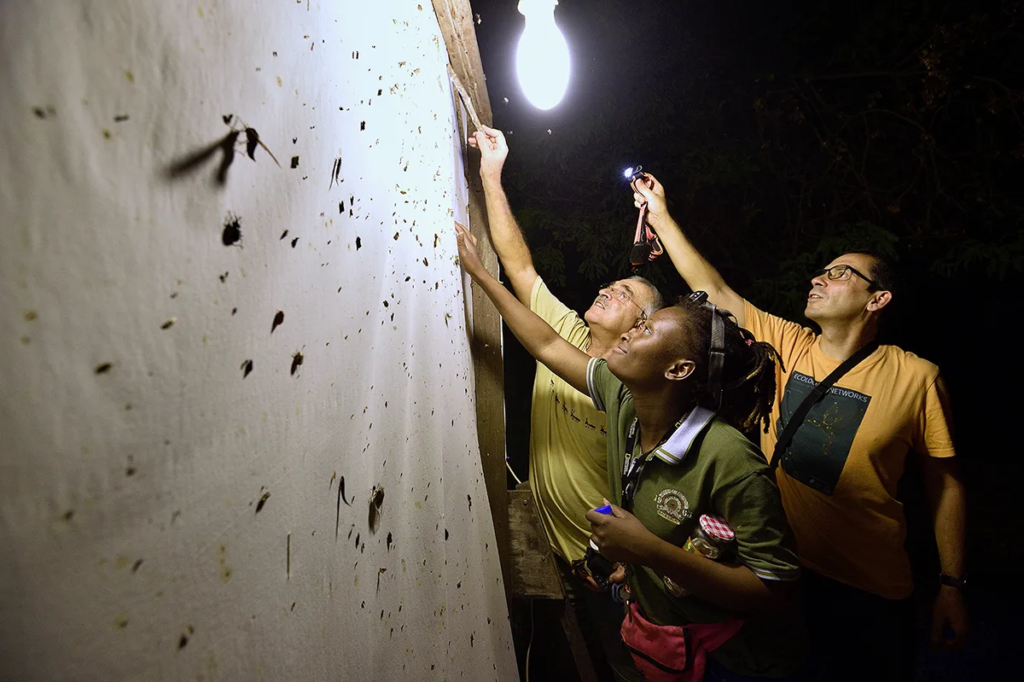
Volunteering can help you get a safari job, but it rarely gets you one on its own. Monitoring projects teach field skills that reserves use, such as radio telemetry, camera traps and data work, and you meet the people who hire. But lodge and reserve ads screen on papers: a guiding qualification, a PrDP, first aid and often firearm competency. The paid programme that leads most directly to lodge work is the placement inside a guide course, which comes after the training, not instead of it. And if you are not South African, you need the right visa to volunteer at all.
Ethical volunteering means no cuddling
In October 2019 the Southern African Tourism Services Association (SATSA) released animal interaction guidelines after a 12-month study. Blood Lions, which campaigns against captive lion breeding, said they drew a line against cub petting, walking with lions, training animals to perform, and attractions that frighten animals or put animals or people at risk. Responsible Travel says that feeding and cuddling supposedly rescued cubs is usually a tactic of the canned hunting industry, that volunteers may pay upwards of £1,500 for it, and that walking with lions is the next stage of the same production line. Wildlife ACT says hand-rearing cubs for release has a success rate of “nil”, and that it does not condone interaction with any wildlife unless absolutely necessary.
So the test is whether the contact is the product. If a programme sells time touching, feeding or walking with wild animals as the experience, it is not conservation work, and it will not impress a reserve manager. Rescue and rehabilitation centres are different: there, volunteers may feed and clean up after injured or orphaned animals under the staff, because the animals need the care. The programmes on our volunteering page follow that line.
What monitoring projects teach
Wildlife ACT’s endangered species programme in Zululand is a well-documented example. Volunteers work on Manyoni Private Game Reserve and in Hluhluwe-iMfolozi Park, in groups of up to 6, for at least 2 weeks. A day starts before sunrise on an open 4×4, finding collared animals by VHF telemetry and spoor, logging each sighting by GPS and recording behaviour, then goes out again in the afternoon until after sunset. Volunteers also set camera traps, update identity kits and enter data once a week. Darting, collaring, relocations and game counts happen only when the reserve needs them, so they are not guaranteed. Wildlife ACT says the fees pay for fuel, tyres, equipment and monitors’ salaries.
Those are the same skills that appear in ads for monitoring and research jobs, covered in our wildlife monitor jobs article. Wildlife ACT’s page does not mention a certificate for the programme, so what you take away is experience and contacts, not a qualification.
Guide placements: training with a work component
The “shadow a guide” experience most closely tied to lodge hiring sits inside the one-year professional guide courses. After the theory and practical modules, EcoTraining’s course sends students for 5 to 6 months to a host lodge, reserve or research project in South Africa or Namibia, where students help guides prepare for drives, check vehicles, host guests and do conservation work. Bushwise includes a 6-month placement in each 12-month course, at hosts including Kapama, Sabi Sabi and Africa on Foot, and at some hosts students observe guides leading walking safaris. Bushwise says many graduates stay on with their placement hosts.
These courses lead to qualifications: one listing of a one-year professional field guide course names the Nature Site Guide NQF2 qualification, FGASA Apprentice Trails Guide status, wilderness first aid and firearm proficiency. That is what puts the graduate in front of a lodge, not the placement alone. Our guide to FGASA levels explains each grade.
What it costs
| Programme | What you get | Listed cost |
|---|---|---|
| Wildlife ACT, endangered species monitoring, Zululand | Field monitoring, full board, transfers from Richards Bay on start and end days; flights extra | R33,440 for the first 2 weeks, R21,135 for each further 2 weeks |
| One-year professional field guide course with 5 to 6 month placement (African Conservation Foundation listing) | NQF2, Apprentice Trails Guide, first aid, firearm proficiency, FGASA registration, accommodation and meals | R397,460 |
| Cub petting and lion walk “volunteering” | Animal contact that SATSA’s guidelines rule out | Upwards of £1,500, per Responsible Travel |
Wildlife ACT’s page shows the monitoring price in rand alongside euro, dollar and pound figures that do not match each other, so confirm the amount in your currency before you book.
Foreign volunteers need the right visa
Volunteering is not a way around South African immigration law. The South African High Commission in Canberra says unpaid volunteer or charitable work for a bona fide non-profit or charitable organisation needs a volunteer visitor’s visa, issued for up to 3 years, with a letter from the host confirming the work, the period and that the role is not a paid post. For under 90 days it points you to a visitor’s visa instead. Anyone receiving “payment, salary or wages of any nature” needs a work visa. Our guide to work permits in South Africa sets this out, with fees.
The visa ties volunteering to non-profit hosts, so check what kind of organisation your programme is before you apply. EcoTraining says international students have the same opportunities as South Africans once they hold the qualifications and the right working documents, which puts the visa question at the job stage, not just the volunteering stage.
What employers ask for instead
The guide ads we read set the bar in qualifications. Bright Placements guide ads in 2026 asked for FGASA Level 1 or higher, a PrDP, first aid and previous guiding or lodge experience. Kapama’s apprentice guide spec asks for NQF2, first aid, a driving licence with PrDP, firearm competency and provincial registration. SANParks asked field ranger applicants in August 2026 for certified copies of their driving licence and qualifications. Several ads asked for lodge or reserve experience, but none we read accepted volunteering in place of the qualification. Conservation posts go further, usually to a nature conservation diploma, as our article on what a wildlife manager does shows.
That makes volunteering most useful as an add-on: a few weeks of monitoring before or after a qualification, a reference from the project coordinator, and a CV line that shows you can live in a bush camp. If you have the papers and want a first post, look at trainee jobs and internships, and post a free profile so lodges can find you.
This article sums up programme pages, job ads and visa guidance as they stood in October 2026. It is not immigration advice. Prices, programmes and visa rules change, so check with the organisation and the South African mission in your country before you book or pay.
Sources
- Blood Lions, on SATSA’s animal interaction guidelines (Nov 2019): bloodlions.org
- The Herald, “Walking with lions is a no-no, safari parks told” (Nov 2019): theherald.co.za
- Responsible Travel, canned hunting and volunteering: responsibletravel.com
- Wildlife ACT, what you need to know about volunteering with lions (Aug 2015): wildlifeact.com
- Wildlife ACT, endangered species conservation programme, Zululand (2026): wildlifeact.com
- Wildlife ACT, a typical volunteering day (May 2019): wildlifeact.com
- Wildlife ACT, volunteering funding model (Oct 2022): wildlifeact.com
- EcoTraining, the placement programme: ecotraining.co.za
- EcoTraining, careers and international students (Jan 2026): ecotraining.co.za
- Bushwise, placements: bushwise.co.za/placements
- African Conservation Foundation, 1-year professional field guide course: africanconservation.org
- SA High Commission Canberra, volunteer visitor’s visa: dirco.gov.za
- Bright Placements, Guide and Admin Couple, Limpopo (2026): careers24.com
- Bright Placements, Guide and Lodge Management Couple, Vaal (2026): careers24.com
- Bright Placements, Assistant Lodge Management Couple, Western Cape (2026): careers24.com
- Kapama, careers and apprentice guide spec: kapama.com
- StudentRoom, SANParks field ranger advert reproduced (Aug 2026): studentroom.co.za