
FGASA courses: where to train as a field guide and what it costs
We compare published prices from FGASA-endorsed schools, from R86,500 for 9 weeks to R285,450 a year, plus self-study and funded SANParks places.
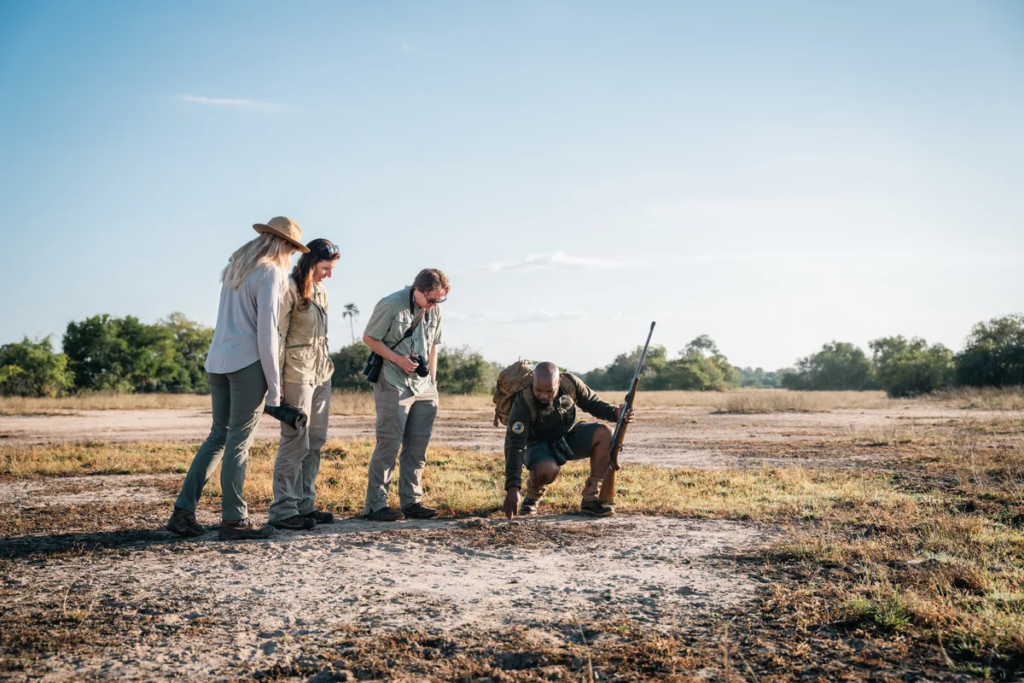
FGASA lists 15 endorsed training providers, and most of them teach the entry qualification, Nature Site Guide NQF2 (still called FGASA Level 1 in many ads). Published prices for a full-time NQF2 course in South Africa run from R86,500 for 9 weeks at Bhejane Nature Training to R100,600 for EcoTraining’s 55-day course, and year-long programmes with a lodge placement cost South Africans R285,450 at MORE Field Guide College. The cheapest route is self-study through FGASA itself, where the learning materials cost R2,530 and the exam R700, plus whatever the assessor charges for your practical.
We read FGASA’s list of delivery partners, its 2026 fees and the providers’ own course and price pages in October 2026. What each qualification level involves is in FGASA levels explained, so this piece is about where to train and what it costs.
The providers FGASA endorses
FGASA says only the Training Delivery Partners on its list are FGASA-endorsed. When we checked, the list named EcoTraining, the African Guide Academy in Botswana’s Okavango Delta, Bhejane Nature Training near Hluhluwe, Bushveld Training Adventures, Campfire Academy in the Balule Nature Reserve near Hoedspruit, Dhumukwa Guide Training, FC LogCon Tours (cultural guiding), Kukama Wildlife College in Griekwastad, Kwantu Academy in the Eastern Cape, the Limpopo Field Guiding Academy, NJ MORE Field Guide College, Motsumi Bush Courses near Rustenburg, Nature Guide Training in the Greater Kruger, Sondela Academy and the Southern African Wildlife College in the Timbavati.
Some well-known schools are not on it. Bushwise trains for the CATHSSETA Nature Site Guide qualifications at NQF2 and NQF4 and calls itself the exclusive Southern African provider of IFGA certification, from the International Field Guide Association, which is registered in the UK. Ulovane Environmental Training did not appear on FGASA’s list either. A school outside the list can still be accredited by CATHSSETA, which is the qualification tourist guide registration rests on, so ask any provider which body will issue your certificate.
Published prices, side by side
| Provider and course | Length | Leads to | Published price | Placement |
|---|---|---|---|---|
| Bhejane Nature Training, FGASA NQF2 Field Guide | 9 weeks | FGASA NQF2, CATHSSETA Nature Site Guide, Wilderness First Aid Level 1 | R86,500 (2027) | Not mentioned |
| Bhejane, Nature, Marine and Trails combined | 24 weeks | As above, plus marine and trails training | R228,000 (2027) | Not mentioned |
| Limpopo Field Guiding Academy, Nature Site Guide NQF2 | 2 months | NQF2 | R90,000 (intakes from Oct 2026) | Not stated |
| Limpopo Field Guiding Academy, Safari Guide Program | 6 months | NQF2, Trails Guide | R151,740 (Jan 2027 intake) | Includes an internship |
| EcoTraining, 55-day Field Guide | 55 days | CATHSSETA and FGASA Nature Site Guide NQF2 | R100,600 SA and SADC, R136,300 international (2026); R105,950 and R143,100 (2027) | Not mentioned |
| EcoTraining, 1-year Professional Field Guide | 1 year | Not stated on the price list | R268,900 SA and SADC, R397,460 international | Not stated on the price list |
| MORE Field Guide College, Guide Experience | 80 days | FGASA-certified training (qualifications not itemised) | R125,950 SA, R175,450 international (2027) | Not mentioned |
| MORE Field Guide College, Career Course | 6 months training, 6 months internship | FGASA-certified training (qualifications not itemised) | R285,450 SA, R384,450 international (2027) | Internship at MORE lodges or partners |
| Bushwise, Professional Safari Guide (not FGASA-endorsed) | 6 or 12 months | CATHSSETA NQF2 and NQF4, IFGA | R269,950 or R294,950 | 12-month option includes a placement |
| Nature Guide Training, FGASA Field Guide NQF2 | 60 days | FGASA Apprentice Field Guide, NQF2, CyberTracker Track and Sign | Not published | Not mentioned |
| Kukama Wildlife College, NQF2 Nature Site Guide | 10 weeks | NQF2, CATHSSETA accredited, FGASA endorsed | Not published | 7-day practical at Maloba Game Reserve |
| Southern African Wildlife College, FGASA Apprentice Field Guide NQF2 | 55 training days | NQF2 skills programme, 40 credits | Not published | Not mentioned |
On a weekly basis, Bhejane works out at roughly R9,600 a week and EcoTraining’s 2026 rate at roughly R12,800 for South Africans. The fee usually covers board and lodging. Bhejane includes meals, accommodation, uniforms, FGASA training and assessment, first aid training and manuals, but not meals on off days, binoculars or prescribed books. Kukama includes binoculars, a backpack, laundry and emergency evacuation cover, and takes 10 students per intake.
Entry rules differ too. EcoTraining wants you over 18 and recommends, but doesn’t require, a driving licence. The Southern African Wildlife College asks for a matric with at least a Grade 4 in English, Maths Literacy and Geography or Life Sciences, plus a licence. MORE’s Career Course requires South Africans to be 21, or turning 21 during the course, with a driving licence and PrDP, because the internship means driving guests.
Whichever course you choose, birds are a big part of it, by sight and by call. Our sister site Birding Dispatch covers the basics in its guide to birding for beginners in southern Africa.
Studying on your own with FGASA
You can skip the residential course. FGASA’s own route is to join online, buy the Apprentice Field Guide digital training materials for R2,530 (hard copy R3,000), which FGASA says includes registration, the first year’s membership, the certificate and a hard copy of the guide logbook. You complete the compulsory workbook, book and pay for the theory exam through your member profile (R700 in 2026) and need 75% to pass. Then you book a practical directly with a FGASA assessor, within 3 years of the theory exam. FGASA states that assessors set their own fees and that you may also pay their travel, accommodation and reserve entrance fees. The practical is site-specific, and you need a valid first aid certificate.
The halfway option is online theory followed by a short practical course. EcoTraining’s online NQF2 costs R6,300 for year-long on-demand access or R10,440 for an 8-week course (2027 rates). The Limpopo Field Guiding Academy sells online theory for R11,490 and a one-month contact course that includes the practical for R45,000.
Funded and sponsored places
SANParks and CATHSSETA run a Field Guiding Skills Programme for unemployed South Africans under 35 with Grade 12. The 2026 intake at Bontebok National Park lasts 18 months, 6 in training on a stipend of R2,695 a month and 12 in a workplace on R3,500. It was open only to people living 40 to 100 km from the park who had not been on a SANParks programme before, and it closed on 24 December 2025. An Addo intake closed on 2 February 2026, so watch the SANParks vacancies page for the next round. SANParks also pays providers to train its own guides: in July 2026 it asked for quotes to train 9 learners at Skukuza in Nature Site Guide NQF4 and VPDA (trails).
Lodge groups sponsor some places. MORE pays for four candidates a year on its one-year Guide and Trails Experience course, drawn from its staff and the communities around Lion Sands and Marataba, funded by its Impact Fund and guest levies. Kukama has partnered with Student Hero to help students find funding, and Bushwise advertises grants and bank loans. Our article on your first safari lodge job covers the lodge-run schools, and funded intakes appear on our trainee and internship jobs page.
Five questions to ask before you pay
First, check the provider against FGASA’s current list or ask for its CATHSSETA accreditation, and ask how your certificate will be registered, because the old CATHSSETA skills programmes are being replaced (see FGASA levels explained). Second, divide the price by the number of weeks and compare what each fee leaves out. Third, ask whether a placement or internship is included, or only “job support”. Fourth, look at where the camps are: training in Big Five country matters if you plan to move on to trails guiding. Fifth, ask what the course does not cover for work: you still need first aid, a PrDP and provincial registration, which our guide to becoming a game ranger sets out step by step.
This article sums up FGASA’s list, its fees and providers’ published prices as they stood in October 2026. Prices, intakes and accreditation change, so confirm the current details with the provider and FGASA before you pay a deposit.
Sources
- FGASA, Training Delivery Partners (Oct 2026): fgasa.co.za
- FGASA, Fees 2026: fgasa.co.za
- FGASA, exam bookings and assessor fees (2026): fgasa.co.za
- FGASA, Nature Site Guide NQF2 steps: fgasa.co.za
- EcoTraining, course calendar and rates (2026 to 2028): ecotraining.co.za
- EcoTraining, 55-day Field Guide course: ecotraining.co.za
- Bhejane Nature Training, FGASA NQF2 Field Guide course (2027): bhejanenaturetraining.com
- Limpopo Field Guiding Academy, courses and prices: limpopotraining.co.za
- MORE Field Guide College, 2027 rates: morefieldguidecollege.co.za
- MORE Field Guide College, courses: morefieldguidecollege.co.za
- MORE, Wild Ambitions sponsorships (2024): more.co.za
- Bushwise, Professional Safari Guide course: bushwise.co.za
- Bushwise, qualifications: bushwise.co.za
- Bushwise, IFGA: bushwise.co.za
- Nature Guide Training, FGASA Field Guide NQF2 course: natureguidetraining.com
- Kukama Wildlife College, courses: kukamacollege.co.za
- Southern African Wildlife College, FGASA Apprentice Field Guide NQF2: wildlifecollege.org.za
- SANParks and CATHSSETA Field Guiding Skills Programme, Bontebok (closed Dec 2025): studentroom.co.za
- SANParks Field Guiding Skills Programme intakes, Bontebok and Addo: gocareers.co.za
- SANParks, RFQ 309245, NQF4 and VPDA training for 9 learners, Skukuza (Jul 2026): sanparks.org