
How to become a game ranger in South Africa: steps and costs
NQF2, first aid, a PrDP at 21 and provincial registration: the order to do them in, how long each takes and what it costs.
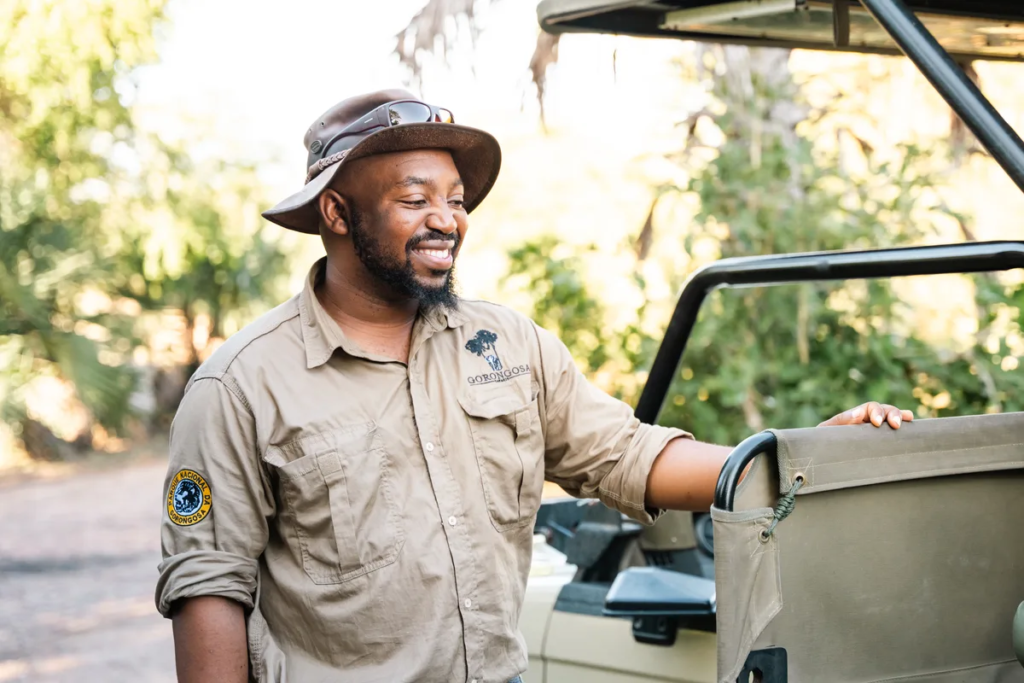
To become a game ranger at a South African lodge you need the Nature Site Guide NQF2 qualification (still called FGASA Level 1 in most ads), a first aid certificate, a professional driving permit (PrDP), which you can only get from age 21, and registration as a tourist guide with your provincial registrar. Big Five reserves often want a SAPS rifle competency as well. A full-time NQF2 course of 9 weeks to 2 months costs R86,500 to R100,600 at the schools that publish prices, and the PrDP can take up to 12 weeks, so if you are already 21 you could be applying for a first post about three months after you start.
We worked through FGASA’s own steps, the Tourism Act, the government’s PrDP rules, firearm competency rules and 2025 to 2026 entry-level ads. The levels after NQF2 are explained in FGASA levels explained, and our article on what a field guide does covers the work itself.
Game ranger, field guide or field ranger?
In South Africa “game ranger” usually means a lodge guide who takes guests on drives and walks. Lodges such as Londolozi and Sabi Sabi call their guides rangers, while most job ads say field guide; it is the same job and the same qualifications. A field ranger is different. Field rangers do anti-poaching work for SANParks, provincial agencies and private reserves: foot patrols, snare sweeps and law enforcement, usually with Grade 12, a self-loading rifle competency and a fitness test, and no guests. That route is covered in our anti-poaching ranger jobs article. The Game Rangers Association of Africa uses both titles for people who earn their living in game ranging, so in conservation circles a game ranger can also be reserve staff rather than a guide. Check the duties in the ad before you apply.
The steps in order
| Step | What it involves | Time | Published cost |
|---|---|---|---|
| Meet the age rules | 18 to start at EcoTraining and Bhejane; 21 for the PrDP | None | None |
| Driving licence | Code B is the usual ask; SANParks wanted C1 for a head guide post | Varies | Licensing office fees |
| Nature Site Guide NQF2 | Residential course, or FGASA self-study: workbook, theory exam (75% to pass) and a site-specific practical with a FGASA assessor | 9 weeks to 2 months residential | R86,500 (Bhejane, 2027) to R100,600 (EcoTraining, 2026); self-study R2,530 materials plus R700 exam plus the assessor’s fee |
| First aid | FGASA requires a valid certificate for all its qualifications; Level 1 is the usual minimum in junior ads | 2 days at St John | Included in Bhejane’s fee; otherwise ask the provider |
| PrDP, passenger category | Age 21, medical certificate under 2 months old, no drunk driving conviction or violent offence in the last 5 years, licence never suspended | Up to 12 weeks | Set by your licensing office |
| Tourist guide registration | Apply to your provincial registrar with proof of competence | Varies by province | Prescribed fee, set by the province |
| Rifle competency (Big Five and trails posts) | Accredited proficiency training, then SAPS 517 forms at your police station | Varies | Training provider’s fee plus the SAPS fee |
Not sure yet? WildlifeCampus runs online wildlife and guiding courses you can do from home at your own pace, useful for learning the theory before you commit to a residential course. They are not FGASA courses and don’t count towards the Nature Site Guide qualification.
Registering with the provincial registrar
FGASA states that you must be registered with the Department of Tourism at provincial level to guide. Under the Tourism Act you apply to the Provincial Registrar for your province, pay the prescribed fee and show proof of competence. The Department of Tourism’s guidance lists what goes with the form: a signed copy of the code of conduct and ethics, four passport photos, proof of South African citizenship or a valid work visa, a qualification from a CATHSSETA-accredited provider and a first aid certificate from a recognised institution. You receive a badge and an ID card showing your category (nature, culture or adventure) and the sites or regions you may guide in. Registration lasts three years, is valid in all provinces and must be renewed before it expires. Lodges ask for it by name: a May 2026 Newmark Hotels ad for a Great Karoo reserve wanted “valid NDT registration” alongside the PrDP.
Start on birds early. They are part of FGASA guide training from the first level, and there are hundreds of species and calls to learn. Our sister site Birding Dispatch has a good place to begin: birding for beginners in southern Africa.
Rifle competency for walks and Big Five reserves
Many junior ads list rifle competency as an advantage, and walking guests among dangerous game needs it. NHSA’s summary of the rules says you first train with an accredited provider in the Firearms Control Act unit standard plus the handling unit standard for the firearm type, which for a guide’s rifle is the manually operated rifle standard, 119651. You then submit forms SAPS 517 and 517(a) to the designated firearms officer at your police station. Competency is issued for a purpose, and a competency for business use other than hunting lasts 5 years. Applicants under 21 also need dedicated status with an accredited association. Trails guiding then adds Advanced Rifle Handling and hundreds of logged hours, as our trails guide article explains.
What first-post ads asked for
| Post | What the ad asked for |
|---|---|
| Junior field guide, 4-star lodge, Limpopo (Bright Placements) | FGASA Level 1 or equivalent, First Aid Level 1, Code B licence; 4×4 experience a plus; previous guiding not required |
| Junior guide, KwaZulu-Natal (closing Mar 2026) | FGASA Level 1 minimum, PDP or PrDP, first aid, licence; rifle competency and a medical certificate preferred |
| Junior and senior field guides, Empangeni and Mkuze (closing Dec 2025) | At least 1 year of game drives in a Big Five area, matric, first aid, PrDP, a CATHSSETA qualification |
| Field guide, Newmark Hotels, Great Karoo (May 2026) | FGASA NQF2 or 4 theory and practical, SAPS competency, tourism registration, PrDP, first aid, 4×4 experience, English and Afrikaans |
Taken together, the ads want NQF2, first aid and a PrDP before you apply, with rifle competency and 4×4 skills as the extras that set applicants apart. Some ads that say “junior” still want a year of Big Five experience.
Getting that first year
The quickest way in is often through the course itself. MORE Field Guide College’s Career Course ends with a 6-month internship at MORE lodges or partners, Bushwise’s 12-month option includes a placement, and the Limpopo Field Guiding Academy’s 6-month programme includes an internship. The SANParks and CATHSSETA Field Guiding Skills Programme pays a stipend through 6 months of training and a 12-month workplace placement, for unemployed South Africans under 35 who live near the host park. Providers, prices and funded places are compared in our guide to FGASA courses.
Once you are working, every guiding day goes into your FGASA logbook, because NQF4 needs at least 260 logged days. That puts a year or more between your first post and the qualified guide jobs that pay better, which our field guide salary article sets out.
Adding up time and money
From the published figures, a South African taking a 9-week residential course at Bhejane would pay R86,500, which includes first aid training, plus the PrDP, medical certificate and registration fees set by their province. EcoTraining’s 2026 rate of R100,600 sets the upper end for a two-month course, and a programme with a placement costs R151,740 to R294,950. The self-study route starts at R3,230 for FGASA materials and the exam, plus the assessor’s fee, travel and first aid. Rifle training and the SAPS application come on top if you want Big Five posts. In time, allow 2 to 3 months for the course and paperwork if you are already 21, and longer if you are younger, because FGASA points out that you need a PrDP to drive clients. Live junior posts are on our field guide jobs page.
This article sums up FGASA, government and SAPS rules, provider prices and job ads as they stood in October 2026. It is not legal advice. Fees, permit rules and registration steps change, so check with your provincial registrar, licensing office or training provider before you start.
Sources
- FGASA, Nature Site Guide NQF2 steps: fgasa.co.za
- FGASA, Fees 2026: fgasa.co.za
- FGASA, exam bookings and assessor fees (2026): fgasa.co.za
- EcoTraining, course calendar and rates: ecotraining.co.za
- EcoTraining, 55-day Field Guide course entry requirements: ecotraining.co.za
- Bhejane Nature Training, FGASA NQF2 course (2027): bhejanenaturetraining.com
- St John, First Aid Level 1: stjohn.org.za
- Government of South Africa, professional driving permit: gov.za
- Tourism Act 2014, section 50, registration of tourist guides: acts.co.za
- Department of Tourism, how to become a registered tourist guide (Nov 2022): twk.gov.za
- NHSA, firearm competency: natshoot.co.za
- Londolozi, our safari routine (Jan 2023): blog.londolozi.com
- Sabi Sabi, a day in the life of a Sabi Sabi ranger (May 2023): sabisabi.com
- Game Rangers Association of Africa, membership: gameranger.org
- SANParks, Head Guide, Olifants Rest Camp (closing Nov 2026): sanparks.org
- Junior field guide, Limpopo (Bright Placements): careers24.com
- Junior guide, KwaZulu-Natal (closing Mar 2026): careers24.com
- Junior and senior field guides, uThungulu (closing Dec 2025): talentgenie.co.za
- Newmark Hotels, field guide, Great Karoo (May 2026): myjobmag.co.za
- MORE Field Guide College, courses: morefieldguidecollege.co.za
- Bushwise, Professional Safari Guide course: bushwise.co.za
- Limpopo Field Guiding Academy, courses and prices: limpopotraining.co.za
- SANParks and CATHSSETA Field Guiding Skills Programme (2026 intake): studentroom.co.za