US$2,400 is for the first 30 bookings for 2027 (still open on 11 Nov 2026). After that it is US$3,200 (March to May, September to October) or US$3,400 (June to August). South Africans get about 40 to 50% off outside June to August. Flights, insurance and laundry are extra.
US$2,400 is for the first 30 bookings for 2027 (still open on 11 Nov 2026). After that it is US$3,200 (March to May, September to October) or US$3,400 (June to August). South Africans get about 40 to 50% off outside June to August. Flights, insurance and laundry are extra.
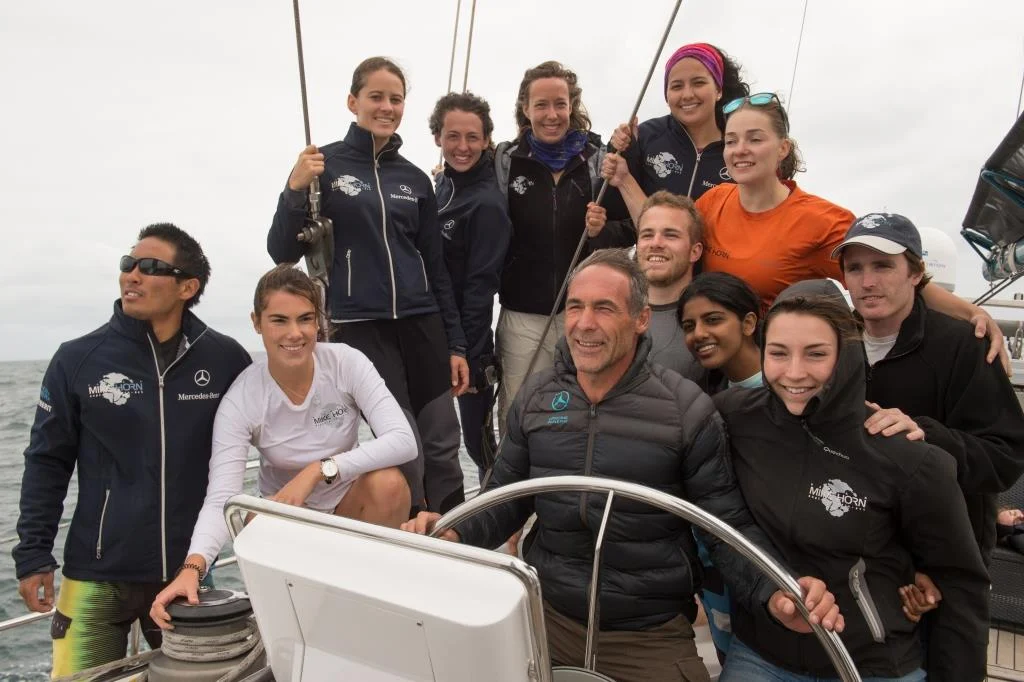
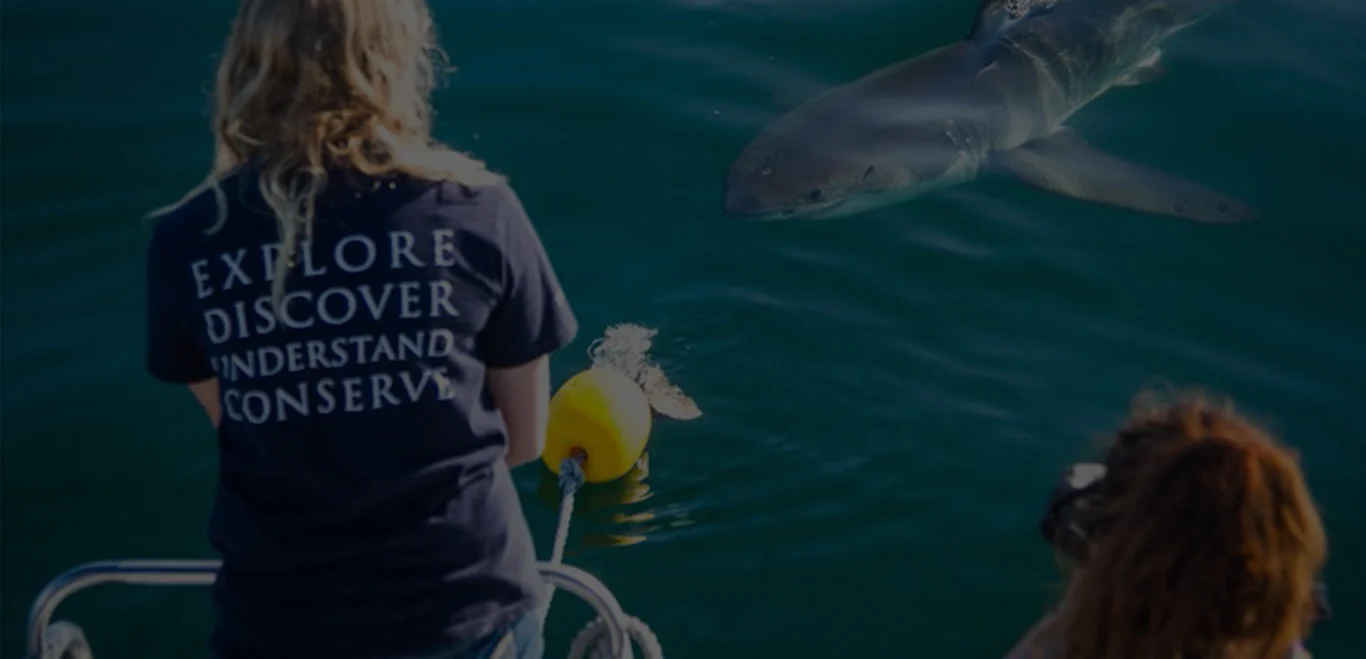
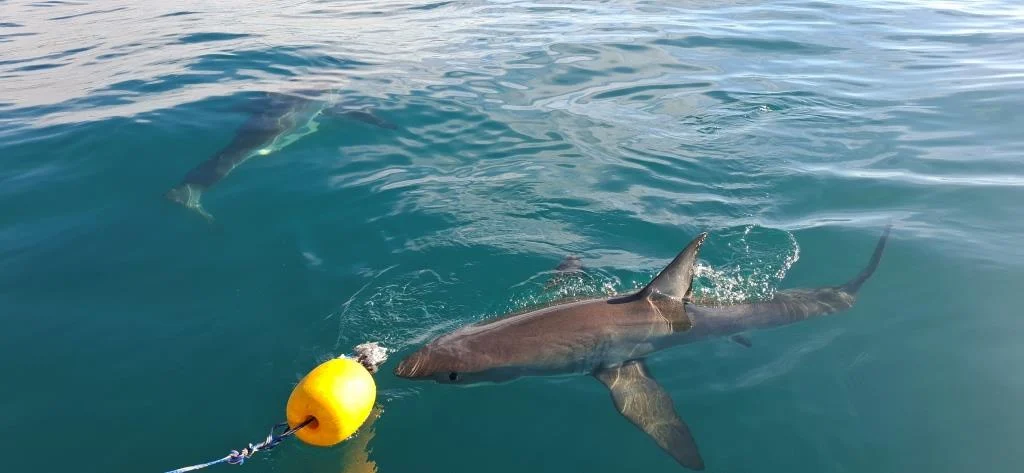
The Oceans Research Institute is a marine research and conservation institute in Mossel Bay, and its field programme is hands-on training: participants don’t watch the research, they do it, with the research team teaching them how. The work covers ongoing studies of sharks, seals, whales and dolphins and the coast, at sea and on the shore.
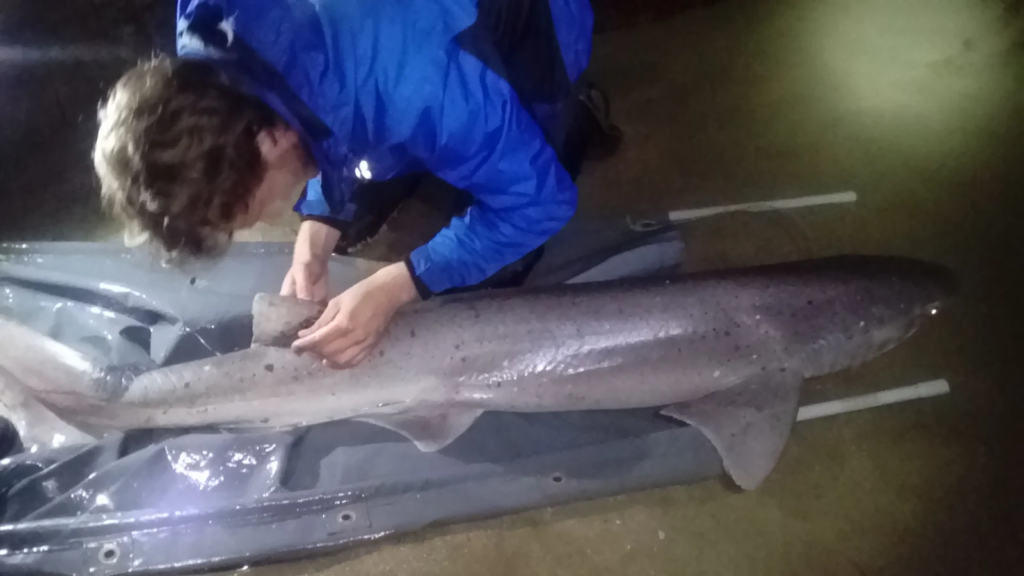
Some handling of wild sharks and fish during catch, tag and release research, under the research team; no captive animals.
Dorm-style rooms with internet. The programme usually takes no more than 12 participants at a time, about 3 for each member of staff. Work runs Monday to Friday, about 7am to 6pm, depending on the weather. Mossel Bay is malaria-free.
After your month at sea, spend 2 weeks or more on the Shamwari Conservation Experience, monitoring rhino, elephant and predators on a Big 5 reserve a day’s drive along the coast. Volunteers who do both get 10% off with Oceans Research and 10% off at Shamwari.
The month can count towards credit at your own university. Oceans Research works with students from more than 3,000 universities, each with its own rules, so ask yours what it needs and the team will work to it.
Complete the online application form on the Oceans Research Institute site.
Arrive at the start of any month from February to October; activities start on the 3rd or 4th, depending on the weekend. There is no programme from November to early February, though groups may be considered for January.
| Length | You pay |
|---|---|
| 1 month, first 30 bookings for 2027 | US$2,400 |
| 1 month, March to May | US$3,200 |
| 1 month, June to August | US$3,400 |
| 1 month, September to October | US$3,200 |
| Arrival | Arrive on the 1st of the month, any time; airport pick-up is included |
| First days | Orientation and a safety briefing, then fieldwork from the 3rd or 4th |
| Monday to Friday | Fieldwork from about 7am to 6pm, at sea or on the shore depending on the weather: shark surveys, catch, tag and release, whale and dolphin surveys, intertidal and debris surveys |
| Through the month | Your scuba course, a marine mammal stranding response workshop and a science communication course |
| Weekends | Free: rest, or excursions at your own cost |
| At the end | A certificate of completion, and data for a thesis or project if you need it |
“There was something so humbling about seeing these beautiful creatures up close and personal every single day.”
Maddie Sherman, USA
“The skills I learned during my three months with Oceans Research would have taken me years with other institutes to do.”
Dorien Schroder, The Netherlands
“I learned more than I had in three years at my school.”
Greta Hayden Pless, USA
“The staff always made me feel welcomed and truly wanted to teach me everything they could.”
Zach Christensen, USA
Send Oceans Research Institute your dates and questions. They reply to you directly.
This is a paid volunteer programme (from US$2,400 for 1 month), not a job. Looking for paid work? See our jobs.
SafariCareers earns a commission when a volunteer we send books and pays for this programme.
We list this programme from Oceans Research Institute’s own website, last checked 16 Nov 2026. Costs and dates change, so confirm them with Oceans Research Institute before you book.